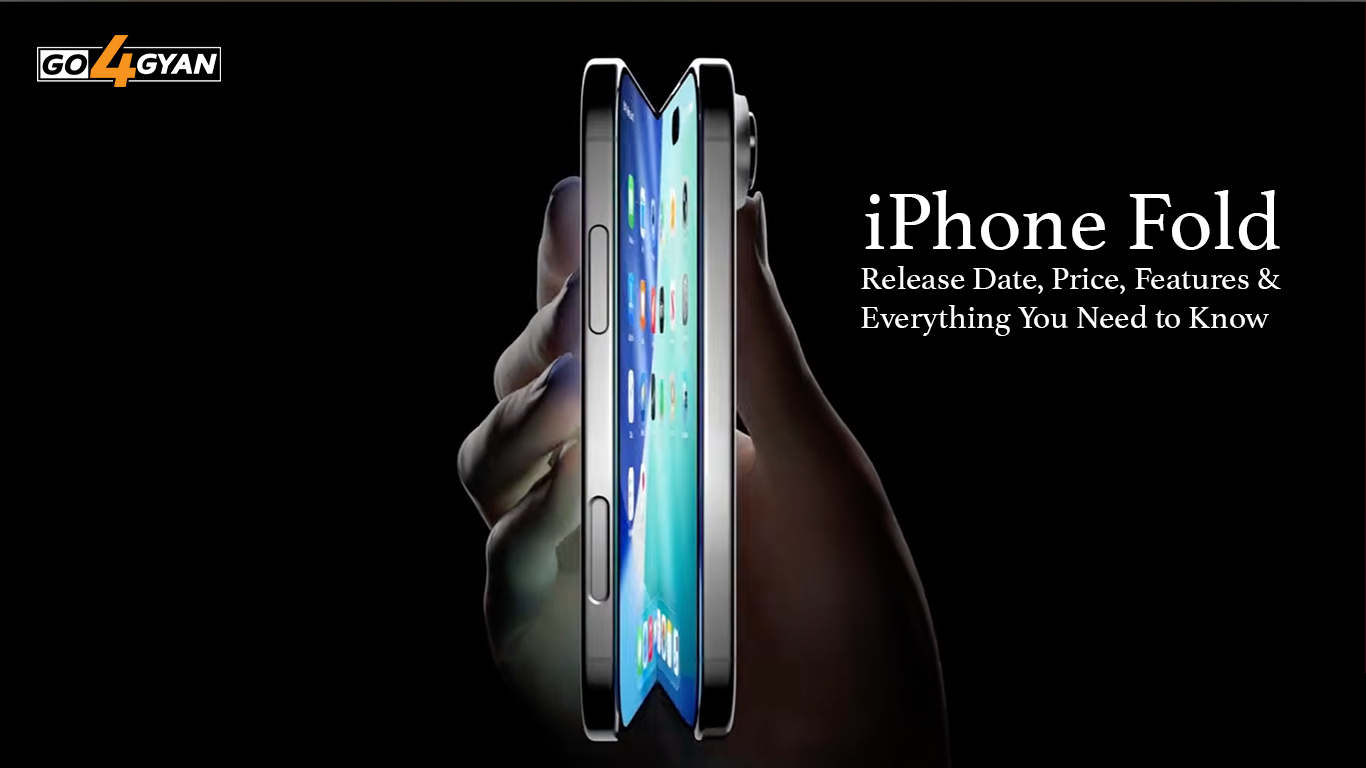
iPhone Fold: Release Date, Price, Features & Everything You Need to Know (2026 Guide)
Imagine having the expansive screen of an iPad that magically folds down to slip right into your jeans pocket. For years, this “best of both worlds” concept has been the ultimate tech dream. You have likely seen folding phones from competitors at the carrier store, leaving many wondering when Apple would finally join the party.
According to leading industry analysts, the wait is almost over, with the highly anticipated iPhone Fold 2026 launch rapidly approaching. Rather than rushing out a fragile first attempt, Apple spent years perfecting the display’s durability. They want to ensure the screen survives daily life without snapping or showing an ugly crease, proving that patience yields a stronger product.
Before deciding whether to upgrade your current device today or hold out for this upcoming foldable iPhone, evaluating what this revolutionary device means for your everyday routine is essential.
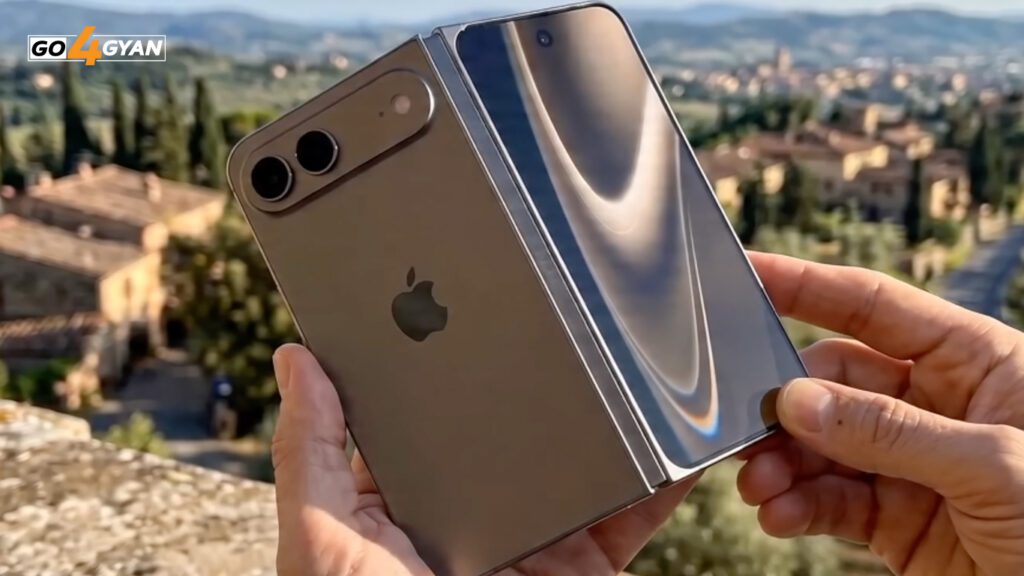
- 1 Beyond the Crease: How Apple’s Self-Healing Screen Fixes the Biggest Foldable Flaw
- 2 Phone or Tablet? Why the ‘Book-Style’ Design is Winning the Prototype War
- 3 The ‘Pro Max Plus’ Premium: Predicting the iPhone Fold’s Real-World Cost
- 4 Software Magic: How iOS Transforms When You Unfold the Screen
- 5 The Power Inside: Why M-Series Silicon is Required for Two Screens
- 6 The 2026 Decision: Should You Buy the iPhone 16/17 or Wait for the Fold?
- 7 Your Future in Two Halves: The Action Plan for the Fold Era
- 8 FAQs (Rich Snippet Ready)
Beyond the Crease: How Apple’s Self-Healing Screen Fixes the Biggest Foldable Flaw
We are used to tapping on solid, rigid glass that shatters before it bends. When you fold a screen in half, the physical pressure—known as hinge stress—normally creates an ugly, noticeable wrinkle right down the middle of the display.
To solve this, recent leaks point to an Apple self-healing display patent that acts a bit like a memory foam mattress. Instead of relying solely on brittle glass, the screen uses a flexible polymer—a high-tech plastic—that automatically stretches and smooths out its own dents after you open it.
This technology fundamentally upgrades the durability of Apple’s folding hinge mechanism and the screen itself. Over current folding phones, this design promises three specific improvements:
- Combining ultra-thin glass with polymers so it feels premium but won’t easily snap under pressure.
- Using advanced LTPO OLED panel specifications to keep the display bright and battery-efficient while it bends.
- Eliminating the permanent crease that develops over years of daily opening and closing.
Fixing the display is just the first hurdle, but deciding how you will actually use the device is the next. Are you getting a massive phone or a pocket-sized tablet, and why is the “book-style” design winning the prototype war?
Phone or Tablet? Why the ‘Book-Style’ Design is Winning the Prototype War
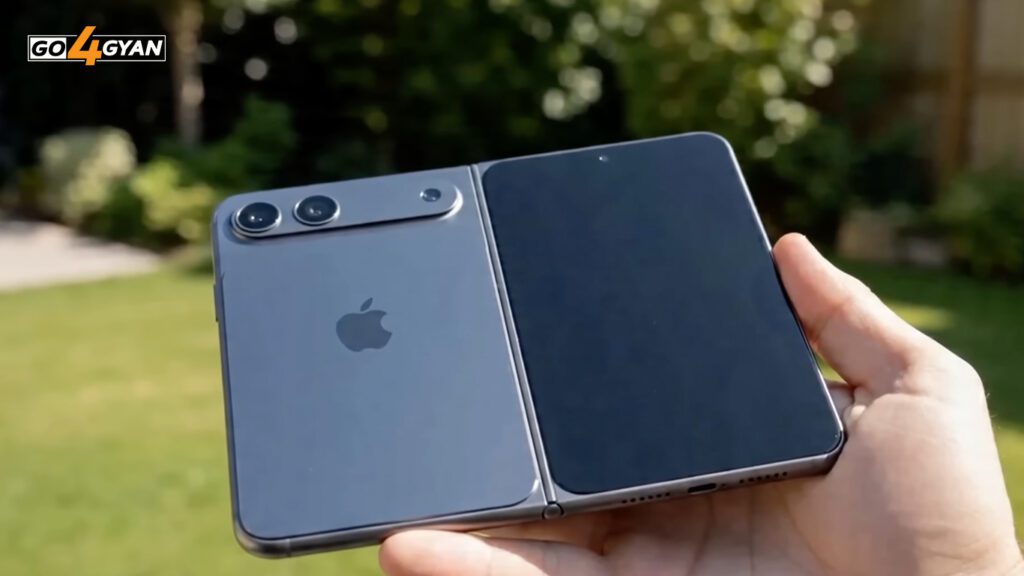
Tech designers usually choose between two main foldable shapes: a small flip-phone clamshell, or a larger “book-style” that opens into a tablet. While the industry has tested wild wraparound screen smartphone concepts, analysts say Apple favors the larger book format. This choice transforms your phone from a quick-task tool into a portable workstation.
Unfolding this device reveals an expected 8-inch display, essentially matching an iPad Mini. This naturally begs the question: will the foldable iPhone replace the iPad mini entirely? For many users, absolutely. When evaluating the clamshell vs. book style design, the book format offers superior ergonomics for multitasking. You could comfortably watch a movie on one side while answering texts on the other, merging two devices into one pocket-friendly frame.
Consolidating your digital life sounds ideal, but this everyday convenience carries a steep price. Engineering a seamless hybrid screen requires costly, cutting-edge parts that push retail prices higher than traditional smartphones.
The ‘Pro Max Plus’ Premium: Predicting the iPhone Fold’s Real-World Cost
If you usually spend around $1,200 on an iPhone Pro Max, prepare for sticker shock. Following Apple foldable smartphone rumors for 2026, experts expect the first folding model to launch near $1,999. This jump represents “early adopter pricing”—a premium paid to experience experimental technology before it goes mainstream.
Making screens that bend without breaking involves expensive trial and error, known as manufacturing yield costs. If half the specialized screens fail factory quality checks, the flawless ones cost more to cover those losses. Here is how that engineering shifts the market:
- Standard iPhone 17 Pro Max: ~$1,199
- Estimated price of foldable iPhone: ~$1,999
- iPhone Fold vs. Samsung Galaxy Z Fold 7: Both expected to battle at the $1,999 tier
Spending laptop money on a phone means it must do more than just physically unfold. To justify this massive investment, the operating system must perfectly merge your phone and tablet experiences. Fortunately, hardware is only half the story when it comes to how your favorite apps will adapt.
Software Magic: How iOS Transforms When You Unfold the Screen
Imagine reading an email on the outside screen, then opening the device to find that message instantly expanded across an iPad-like canvas. This seamless transition is the heart of Apple’s adaptive software. Instead of awkwardly stretching normal apps to fit a square space, the interface automatically adjusts itself.
Once you have that massive display open, juggling daily chores becomes effortless. You can run two apps side-by-side, utilizing new iOS multitasking features for foldable displays. Picture watching a YouTube tutorial on the left while checking off a grocery list on the right.
Bending the phone halfway creates even more possibilities, acting like a built-in kickstand for hands-free FaceTime calls. The software intuitively pushes your video to the top half and controls to the bottom. Because this mode manages the display efficiently, it contributes to foldable phone battery life improvements.
Creative users are also in for a treat, as analysts anticipate Apple Pencil compatibility for folding screens, turning the device into a pocket-sized sketchbook. However, running these split-screen apps takes incredible processing power, requiring M-Series silicon to handle two screens.
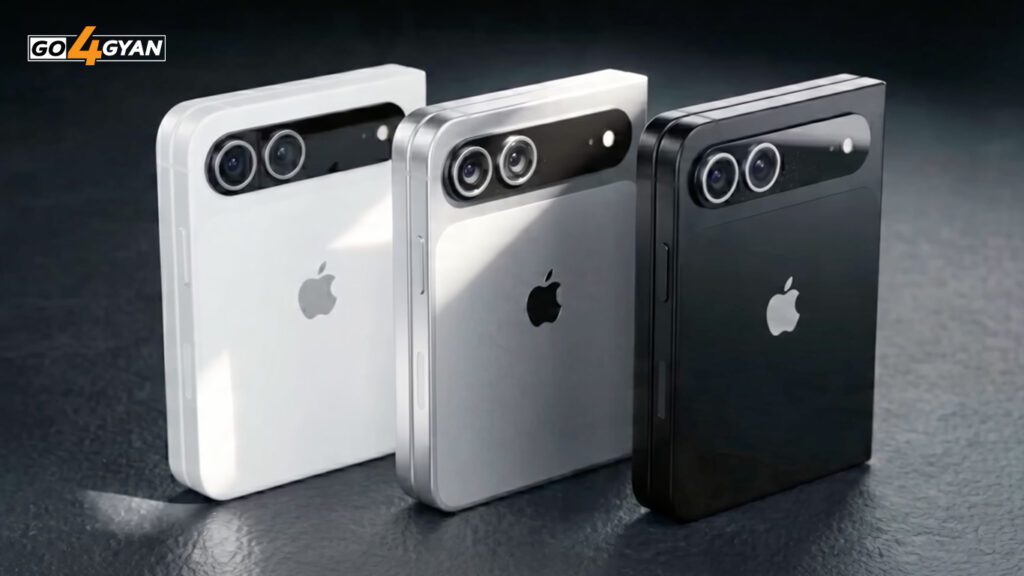
The Power Inside: Why M-Series Silicon is Required for Two Screens
Running a split-screen layout across an iPad-sized display demands far more power than standard iPhones. Analysts expect Apple to swap the usual processor for laptop-grade chips. Relying on next-gen M-series silicon performance gives the device three distinct advantages over standard phone brains:
- It effortlessly renders heavy graphics across a massive folding canvas.
- It handles complex, side-by-side multitasking without freezing.
- It powers smooth software transitions the second you open the hinge.
To fuel this demanding system, engineers are physically dividing the power source in two. By placing a separate battery cell in each half of the phone, Apple perfectly balances the device’s weight while delivering crucial foldable phone battery life improvements.
However, cramming so much capability into ultra-thin hardware creates a major challenge: heat. When phones get too hot, they intentionally slow down to protect themselves—a frustrating lag known as thermal throttling. Solving this temperature puzzle is exactly why Apple delayed the foldable launch until the design was flawless.
The 2026 Decision: Should You Buy the iPhone 16/17 or Wait for the Fold?
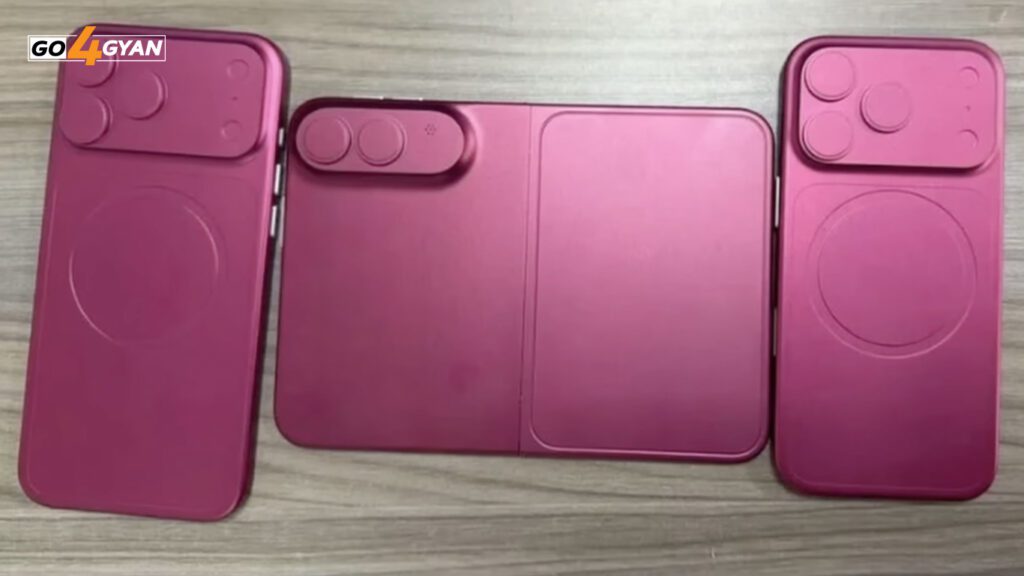
The looming 2026 release forces a tough decision: upgrade your current device now or hold out. To determine your path, ask yourself three questions: do you crave cutting-edge tech, are you willing to pay a premium price, and can you tolerate first-generation quirks? If you answered yes, you are the ideal buyer for an iPhone foldable.
For most people, choosing an iPhone 16 or 17 today remains the safest alternative. These traditional devices offer guaranteed daily reliability while engineers finalize the hardware highlighted in recent Apple foldable smartphone rumors. Purchasing a standard phone now actually creates a perfect two-year upgrade cycle, giving you a high-value device to trade in later. That strategic timing is exactly how to prepare for iPhone Fold launch day financially.
Ultimately, a smart purchase today ensures your wallet is ready when this massive design shift finally hits store shelves.
Your Future in Two Halves: The Action Plan for the Fold Era
The wait for an Apple foldable isn’t about lagging behind; it’s about ensuring absolute quality. You now know 2026 is the definitive “Golden Year” for foldables, bringing us the ultimate convenience: an immersive tablet that fits perfectly in your jeans pocket.
As details surrounding the 2026 iPhone Fold develop, you can start preparing today:
- Track the clues: Search for “Apple folding patents” online to watch their self-healing display technology evolve.
- Assess your habits: Notice exactly when you desperately want a larger screen while using your current phone.
- Pace your upgrades: Hold onto your current device an extra year to comfortably budget for this premium launch.
You now understand the foldable landscape well enough to make smart upgrading decisions. Mobile technology is fundamentally shifting from static glass slabs to dynamic, shape-shifting tools, and you are perfectly positioned to embrace this pocket-sized revolution.
FAQs (Rich Snippet Ready)
Q1. When will the iPhone Fold release?
Apple is expected to launch the iPhone Fold in 2026, based on current leaks and analyst reports.
Q2. What will be the price of iPhone Fold?
The expected price is around $1,999, placing it in the premium foldable category.
Q3. Will iPhone Fold have a crease?
Apple is reportedly working on a self-healing display to minimize or eliminate visible creases.
Q4. What size will the iPhone Fold be?
Leaks suggest an 8-inch inner display, similar to an iPad Mini.
Q5. Should I wait for iPhone Fold?
If you want cutting-edge tech and can afford it, waiting makes sense. Otherwise, current iPhones remain reliable choices.